Beamline science
I work on I04, a macromolecular crystallography beamline at Diamond. Most days that means helping visiting scientists turn a tray of tiny crystals into the best data they can get, and making the beamline a little better for the next group.
Structural biology
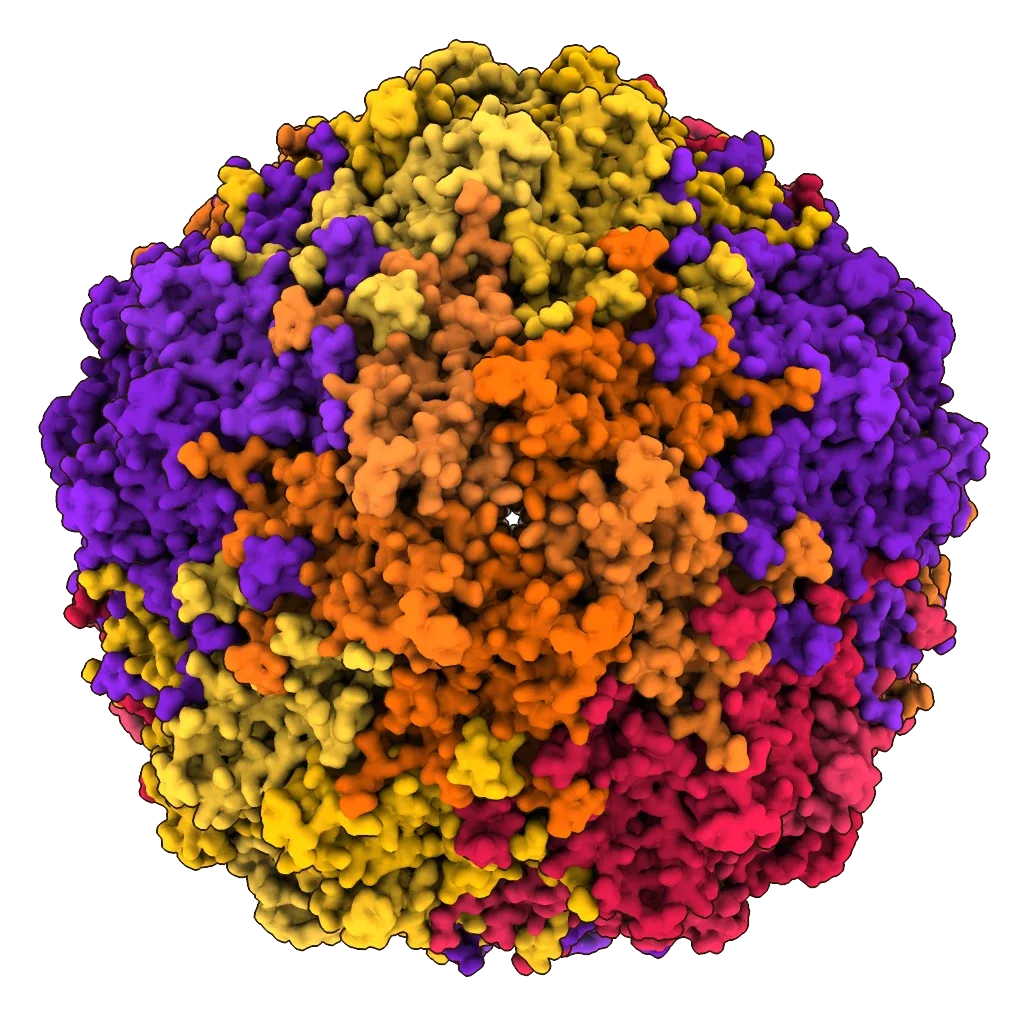
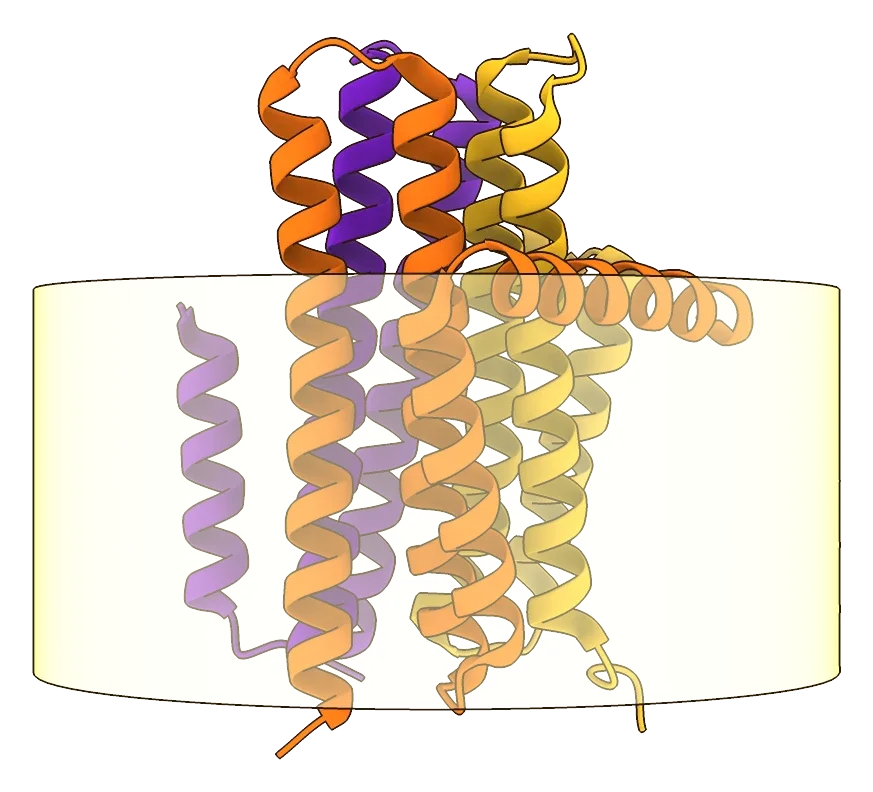
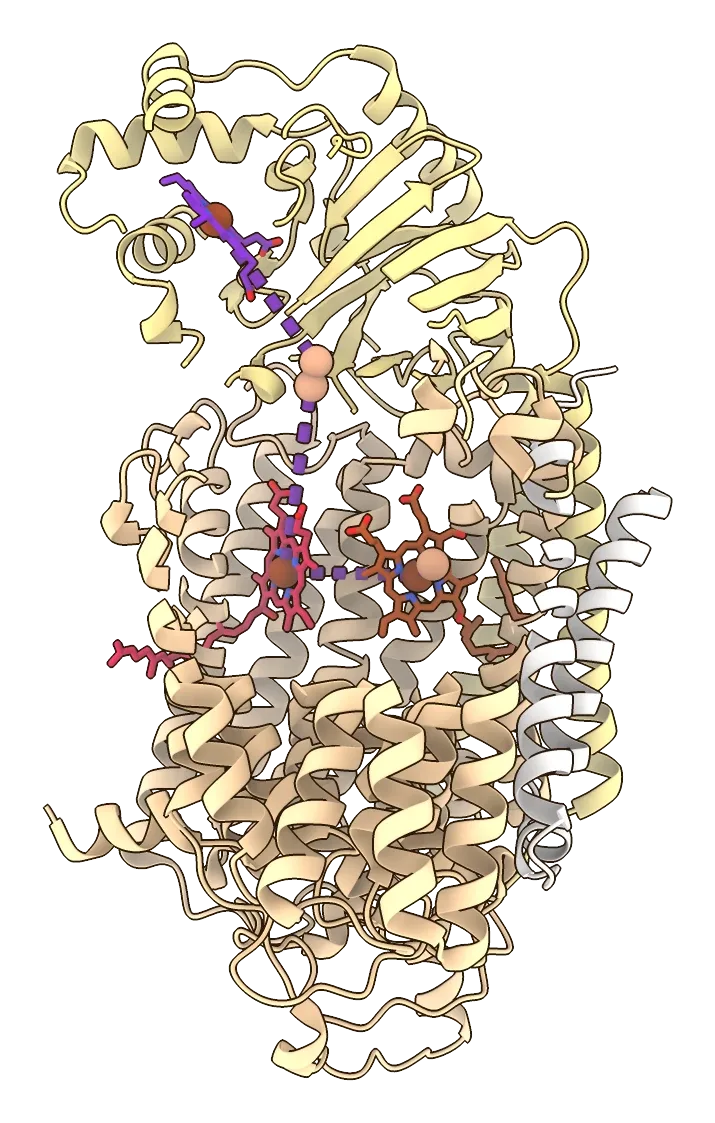
Since 1998 I've collected data at more than five synchrotrons and helped deposit over 60 structures in the Protein Data Bank: metalloproteins, membrane proteins, viral proteins and the odd surprise. I'm a biochemist at heart: I want to know what a protein does, and how its shape explains it.
Instruments and data
I like understanding the whole instrument, from motors, detectors and electronics to the software that drives them. I write data-acquisition code that keeps the hardware safe (robots that don't collide, no direct beam on the detector) and makes good data the default: a beamline checked the same way every day, and an X-ray dose matched to the crystal.
Linux and code
Linux has been part of my life since the 1990s, when I swapped a Windows network for it to learn the layer below: how operating systems, networks and the internet really work. In Australia I fell for virtual machines and containers, and I still love writing code, mostly Python. All of it rests on open source: good tools are better shared.
People
Some of my proudest moments are other people's: a PhD student finishing, or a colleague I trained moving on to a more senior role, even if they end up outshining me. I co-supervise PhD students, teach on CCP4 and Diamond courses, and I'm a mental health first aider at work.
Community
I was President of the Society of Crystallographers in Australia and New Zealand, and I'm a Fellow of the BCA and of the Royal Society of Biology. Closer to home, I'm a Didcot town councillor. I'm not very good at saying no.